
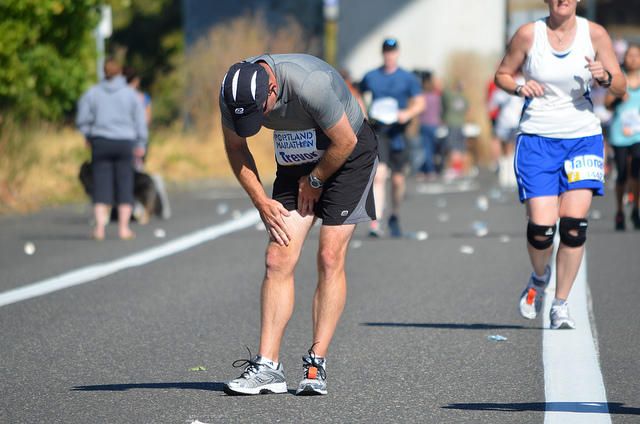
Overuse injuries in youth sports are gradual-onset injuries — to bone, tendon, or growth plates — that develop when a young athlete trains a repetitive motion faster than their body can recover and adapt. Unlike a rolled ankle, there’s no single moment of injury; the tissue simply gets loaded too much, too soon, too often. The good news for parents in College Station and across Aggieland: most of these injuries are preventable with smart load management, real rest, and early attention to pain.
If your child plays for a Bryan–College Station school, a club or select team, or trains year-round in a single sport, this guide explains why overuse injuries happen, the warning signs to watch for, and exactly how to keep your young athlete healthy through a Texas sports season.
Why Overuse Injuries Are So Common in Young Athletes
Overuse injuries account for roughly half of all youth sports injuries, according to the STOP Sports Injuries campaign and the American Academy of Pediatrics (AAP) — and they’re rising as kids specialize earlier and play longer seasons. The reason is anatomy: a growing skeleton isn’t a small adult skeleton. Growth plates (physes) — the cartilage zones where bones lengthen — are weaker than mature bone and mature tendon, so repetitive running, jumping, and throwing irritates them first.
That vulnerability is why kids get injuries adults rarely do. Osgood-Schlatter disease (pain at the growth plate below the kneecap) and Sever’s disease (heel growth-plate pain) both cluster during growth spurts, when bones lengthen faster than the muscles and tendons attached to them can keep up, per Cleveland Clinic. During a rapid growth phase, that temporary tightness dumps extra load onto joints and attachment points — one reason a child who was fine in the spring suddenly has knee or heel pain by fall.
The Biggest Risk Factor: Too Much, Too Soon, Too Specialized
The single strongest predictor of overuse injury is training volume relative to age. The AAP’s guidance draws on research showing that young athletes who play more weekly hours than their age in years — for example, a 10-year-old training more than 10 hours a week — are significantly more likely to be injured. Year-round single-sport specialization compounds the risk by hammering the same tissues with the same motor pattern week after week, and a 2018 AAP meta-analysis confirmed specialized athletes carry a higher rate of overuse injuries than their multi-sport peers.
There’s a burnout cost too, not just an injury one. The AAP reported in 2024 that about 70% of kids drop out of organized sports by age 13, with injury and burnout among the leading reasons. Keeping a young athlete healthy and playing multiple sports isn’t just injury prevention — it’s how they stay in the game long enough to actually love it.
Other contributors we see at the clinic: poor technique, inadequate baseline strength, worn-out or wrong footwear, hard training surfaces, and pressure from a packed schedule of overlapping school, club, and tournament play.
Common Youth Overuse Injuries — and Where They Show Up
Overuse injuries concentrate at sites of repeated impact or pull. Here are the ones we treat most often in young athletes, mapped to the sports that drive them:
| Injury | What it is | Common in | Early sign |
|---|---|---|---|
| Osgood-Schlatter | Growth-plate irritation below the kneecap | Basketball, soccer, running, volleyball | Bump and pain below the knee, worse with jumping |
| Sever’s disease | Heel growth-plate inflammation | Soccer, track, gymnastics | Heel pain that eases with rest, limping after play |
| Little League elbow/shoulder | Growth-plate stress from throwing | Baseball, softball | Throwing-arm pain, lost velocity or control |
| Tibial stress injury / shin splints | Overloaded shinbone tissue | Cross-country, track, soccer | Aching along the shin during or after running |
| Patellar tendinopathy | Irritated tendon below the kneecap | Volleyball, basketball | Front-of-knee pain with jumping and squatting |
| Sever’s / Achilles & foot stress | Repetitive-impact foot and heel pain | Distance running, court sports | Morning stiffness, pain that returns each session |
Throwing sports deserve special caution. Pitch-count and rest-day limits from Little League and MLB’s Pitch Smart program exist because young throwing arms accumulate growth-plate stress fast — following age-based pitch limits and mandated rest days is one of the most effective overuse-prevention rules in all of youth sports.
Warning Signs Parents Should Never Train Through
The earliest sign of an overuse injury is pain that appears during or after activity and fades with rest. That’s the window to act — because if the athlete keeps playing, the pain returns sooner, lasts longer, and eventually shows up at rest. Watch for swelling, stiffness, local tenderness, or a child who quietly changes their running form, throwing motion, or swing to protect a sore spot. Dropping endurance, new “tightness,” and reluctance to practice are also flags.
The rule of thumb: any pain that lasts more than one to two weeks, worsens with activity, or shows up at rest or at night should be evaluated — the same threshold Texas Children’s Hospital and other pediatric sports-medicine centers use. Caught early, most overuse injuries need only load reduction and targeted treatment. Ignored, they can progress to stress fractures that cost months.
How to Prevent Overuse Injuries: The 2026 Playbook
Prevention comes down to managing load and protecting recovery. These are the evidence-based habits we coach every young athlete and parent on:
- Follow the 10% rule. Increase weekly training volume or intensity by no more than about 10% at a time so tissue can adapt — the same load-management principle that protects adult runners from shin splints.
- Bank real rest. The AAP recommends at least 1–2 complete rest days per week and 2–3 months off per year from any single sport. Rest days aren’t lost training — they’re when the body actually gets stronger.
- Keep the hours below the age line. Aim to keep weekly organized-sport hours at or under your child’s age in years.
- Play multiple sports. The AAP advises multi-sport participation at least until puberty; varied movement patterns spread load across different tissues and lower both injury and burnout risk.
- Fuel the growth. Adequate sleep, protein, and calcium and vitamin D support bone development during growth spurts — especially important for the physes that overuse injuries target.
- Respect the Texas heat. Two-a-days and fall practices in Bryan–College Station stack heat stress on top of training load. Hydration and heat acclimatization protect an already-taxed young body.
The Texas Angle: UIL Physicals as a Prevention Checkpoint
For the 2026–27 school year, the University Interscholastic League (UIL) requires a new pre-participation physical for every Texas student in athletics, band, cheer, drill, dance, and more before any practice. Parents should treat that physical as more than a form to sign — it’s an annual chance to flag lingering pain, movement problems, or a growth-spurt tightness pattern before the season loads it up. Texas chiropractors are authorized to perform the UIL pre-participation physical, and at Alpha Sports we use that visit to screen movement, not just clear a checkbox.
How We Treat Youth Overuse Injuries in College Station
When an overuse injury does happen, the fix is rarely “just rest and hope.” At Alpha Sports Performance Medicine, we identify the mechanical cause — the tight calf feeding a Sever’s heel, the weak hip driving knee pain — and treat both the tissue and the root fault. That usually combines physical rehabilitation to rebuild strength and correct mechanics, soft tissue therapy to release the restrictions overloading a growth plate or tendon, and sports chiropractic care to restore normal joint motion. The goal is a young athlete who returns pain-free and moves better than before — so the injury doesn’t come straight back.
Return to play is graded, not rushed. An athlete should be pain-free at rest and during activity, with normal strength and range of motion, and should pass functional tests — balance, hop, and sport-specific drills — before returning to game situations. Rushing that progression is the most common reason overuse injuries recur.
Frequently Asked Questions
How much rest should my young athlete get? At least one to two complete rest days per week, plus two to three months off per year from any single sport, per AAP guidance. Rest days are when growing bones, tendons, and muscles actually adapt and get stronger.
Is it bad for my child to specialize in one sport early? Early single-sport specialization raises the risk of overuse injury and burnout. The AAP recommends multi-sport participation at least until puberty; varying movement patterns spreads load across different tissues.
How can I tell an overuse injury from normal soreness? Normal soreness fades within a day or two and doesn’t change how a child moves. An overuse injury is pain that keeps returning with activity, lingers beyond one to two weeks, alters form, or shows up at rest or at night. That pattern warrants an evaluation.
Can my child keep playing through the pain? No — “training through” gradual pain is exactly what turns a quick-healing overuse injury into a stress fracture or a months-long problem. Light, pain-free cross-training is fine; playing through real pain is not.
When should I bring my child in to see you? If pain lasts more than one to two weeks, worsens with activity, is present at rest or at night, or is affecting performance, get it evaluated. The earlier an overuse injury is caught, the less time away from sport it usually costs.
Does a UIL physical count as injury screening? It’s a strong starting point. The required 2026–27 pre-participation physical is a good moment to flag nagging pain or movement problems — but if your athlete already hurts, book a focused evaluation rather than waiting for the annual form.
Worried about a nagging ache in your young athlete? Book an appointment online or contact Alpha Sports in College Station and let’s catch it early — before it costs a season.