It takes more than rest and relaxation to recover from a sports injury. Physical rehabilitation programs are designed to restore your strength, mobility, coordination, and confidence before you return to training and competition. Whether you strained a muscle, sprained a ligament, injured a tendon, suffered a fracture or are recovering from surgery, your body benefits from a gradual rehabilitation program that minimizes complications and reinjury risk.
Physical rehabilitation from sports injuries often includes progressive exercises, manual therapy, neuromuscular retraining, and sport-specific conditioning to guide your body through every stage of recovery. When done correctly, rehabilitation works hand-in-hand with tissue healing timelines to gradually restore your athletic performance and movement quality.
Let’s look more closely at what physical rehab from sports injuries involves.
**PHASES OF REHABILITATION **
Sports rehabilitation is designed in progressive phases that closely match how the body heals after injury. While injuries occur rapidly, recovery should never be rushed. Each phase of rehabilitation has specific goals to prepare your body for the next stage of recovery.
Immediately following injury, treatment focuses on pain, swelling, and inflammation control. Ice, compression, rest, elevation, and protected movement may be recommended to minimize discomfort while protecting injured tissues from further harm.
Rehabilitation begins when inflammation subsides and your doctor recommends gentle movement to restore motion and prevent stiffness. Stretching, range-of-motion exercises, and soft-tissue techniques are used to improve mobility while gradually rebuilding strength through low-load exercises.
Strength training continues through remodeling phase of rehabilitation as you work to rebuild pre-injury performance levels. Progression through rehabilitation should coincide with improvements in tissue tolerance so healing muscles, tendons, and ligaments can handle physical demands once again.
**Manual Therapy **
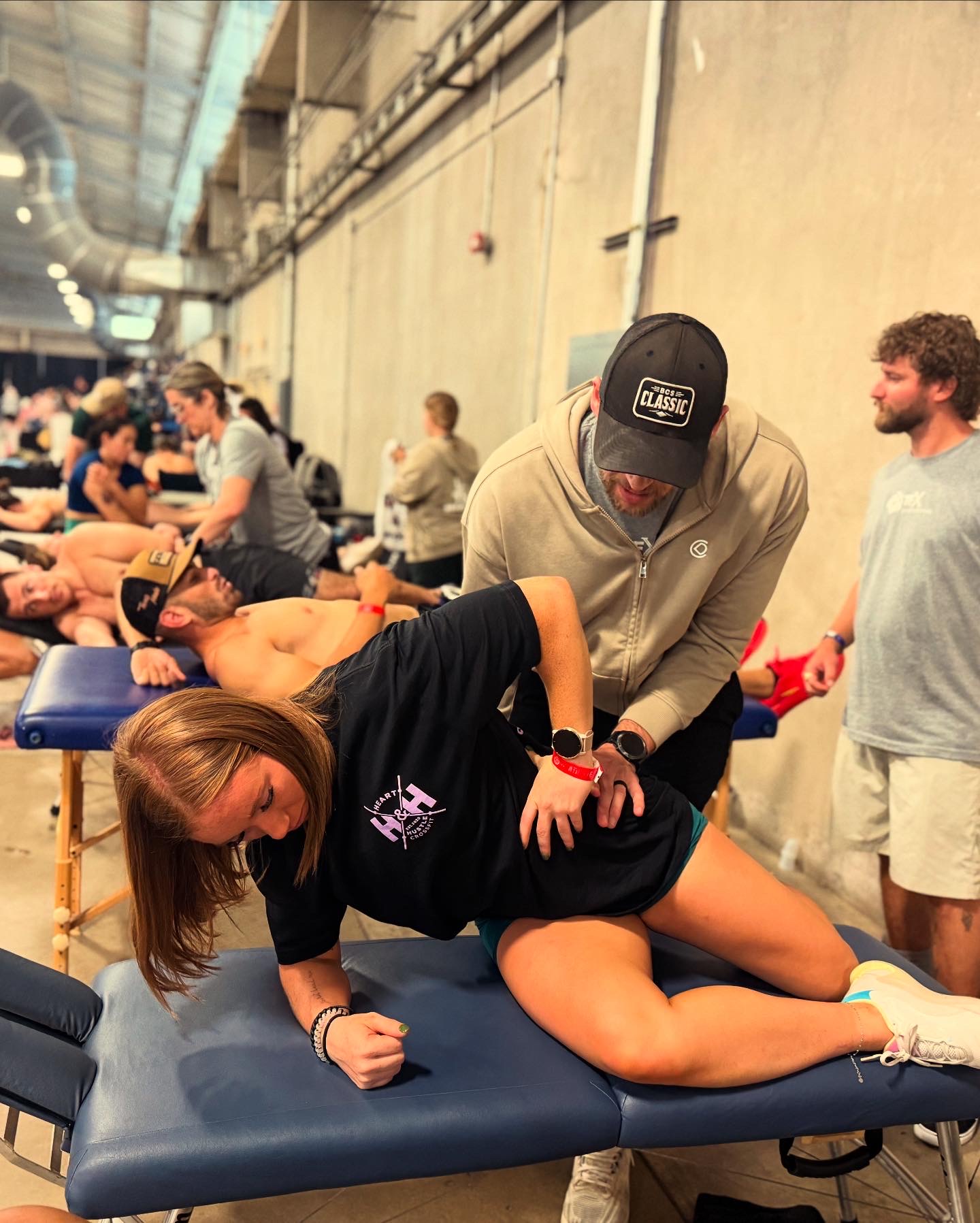
Manual therapy is a common form of treatment used during rehabilitation to improve mobility and provide pain relief. Including hands-on treatment like sports massage, myofascial release, joint mobilization, or soft-tissue therapy in your rehab program can help restore normal movement while reducing muscular tension around the injured area.
These techniques work to increase circulation while softening stiff tissues that may be inhibiting range of motion after injury. Manual therapy is also used to help break up scar tissue and resolve adhesive knots within muscles. Corrective exercises are often prescribed following manual therapy so your body can reinforce healthy movement patterns.
**Neuromuscular Training **
Loss of coordination, balance, and joint stability are common after many sports injuries. Neuromuscular training teaches the muscles and nervous system to communicate properly again while practicing movement control and stability exercises.
These exercises often include balance work, coordination drills, and reactive movements that challenge the body and restore joint position awareness. Neuro-muscular retraining typically begins with simple exercises like single-leg balance stems. As control improves, athletes progress to more dynamic movements including hopping, cutting, landing, and quick directional changes.
Proprioceptive training and balance work help athletes feel more confident in their injured extremities before returning to competition.
**Strength Training **
Progressive loading (strength training) is critical to safely recovering from sports injury. Tissues heal stronger when they are exposed to gradual increases in stress over time.
Athletes new to rehabilitation should focus on basic:
Isometric exercises
Low-resistance training
Bodyweight exercises
As strength returns and physical therapy progresses, patients can begin to incorporate:
Resistance training
Eccentric strengthening
Plyometrics
Explosive power development
Sport-specific training
Eccentric loading and strength development are huge components of injury recovery and should not be overlooked. Without adequate strength, injured athletes have a greater risk of reinjury and incomplete recovery.
**Functional/Sport Specific Exercises **
The final stage of rehabilitation should incorporate functional movements and exercises specific to your sport. Running mechanics, agility drills, jumping exercises, and acceleration/deceleration training are all examples of sport-specific conditioning.
Sport-specific exercises are designed to improve your confidence while gently preparing you for the demands of athletic competition. Training should progress from linear movements to more dynamic activities that require acceleration, deceleration, rotational force, reaction, and sport-related endurance.
**Return To Sport **
Many athletes assume they can return to sport as soon as they stop feeling pain. However, rehabilitation professionals recommend performing objective testing to evaluate strength, movement quality, and overall readiness.
Single-leg hops, agility tests, strength comparisons, balance tests, and functional movement assessments may all be used to evaluate your readiness to return to competition. Athletes should demonstrate proper movement mechanics, symmetry, and be completely free of symptoms before resuming athletic activities.
An injured athlete’s confidence should also be taken into consideration. Lack of trust in the injured region can impact athletic performance and may increase fear of reinjury.
**Commitment to Rehab **
Commitment and consistency are two of the most important factors related to recovery. Not only should you comply with your rehabilitation program, but you should also monitor your symptoms and progress gradually.
Anything else increases your chances of experiencing setbacks that can delay recovery. Other crucial pieces of the recovery puzzle include sleep, nutrition, hydration, load management, and regular reevaluation. When combined with quality physical therapy and rehabilitation exercises, injured athletes can make a full recovery and return to sport stronger than before.
**Summary **
Physical rehabilitation from sports injuries allows athletes to regain strength, improve mobility, refine coordination, and confidently return to competition. Including the proper balance of manual therapy, strengthening exercises, neuromuscular retraining, and sport-specific conditioning in your rehab program can prepare you for the physical demands of your sport and reduce reinjury risk.
Frequently Asked Questions
When Should You Begin Rehabilitating a Sports Injury?
Rehabilitation can begin as soon as 48-72 hours after injury once it has been deemed stable by your medical professional. During this phase, the R.I.C.E. method (rest, ice, compression, elevation) is common alongside pain management and controlled reintroduction of movement.
**What Does Rehab Do For an Injury? **
Physical rehab from injuries helps restore strength, endurance, flexibility, and mobility through evidence-based progressive exercises.
**Why Is Progressive Loading Important? **
Progressive loading is important during injury recovery because controlled stress helps tissues regain strength and function faster. Without continued strength training, athletes experience longer recovery times and are more likely to reinjure themselves.
How Do You Know When an Athlete Is Ready to Return to Sport?
Athletes should be meeting specific strength requirements, showcase good movement quality, demonstrate sport-specific endurance, and be symptom-free before returning to their sports. Completion of athletic testing is often used by therapists to determine if athletes are ready to safely return to competition.