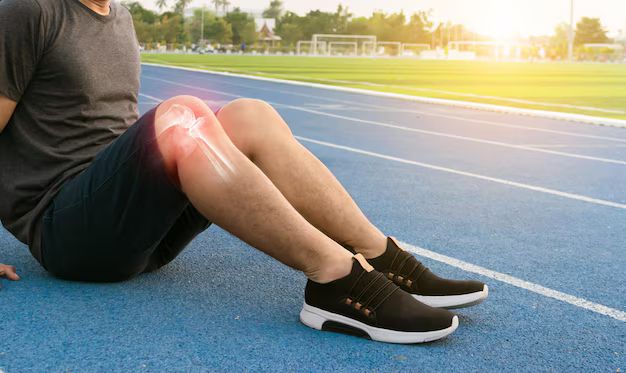
When recovering from an ACL injury, you must reach certain milestones before progressing to further stages in your rehabilitation. Typical recovery timelines range anywhere from 6 months to 1 year, but there are objective signs that you have healed enough to return to sport.
Jumping straight back into physical activity too soon can risk reinjury and losing progress. Each phase builds upon the last by improving strength, movement quality, and dynamic stability.
With that in mind, here is a quick overview of what to expect during ACL recovery.
ACL Rehab Timeline and Phases
Phase 0: Preparation for ACL Surgery
Use this time before ACL surgery to get your knee ready for recovery.
Goals include reducing swelling, regaining full extension, increasing flexion, activating your quad muscles, and correcting your walking motion. Arriving at surgery with stronger muscles and better range of motion will allow you to recover quicker and prevent stiffness.
Phase 1 – Weeks 1-2 Post Surgery
Goals of this early stage include protecting the graft, limiting swelling, and regaining active motion.
You will likely be walking with crutches and may also have a brace, depending on your surgeon’s preference. Physical therapy should begin as soon as possible to start regaining range of motion and activating your quadriceps muscle. Full extension is typically achieved during this phase, along with gradual increases in flexion up to 90 degrees. Activities will revolve around pain management, wound healing, and reducing inflammation.
Phase 2 – Weeks 2-12 Post Surgery
The next phase of recovery shifts focus to regaining strength and normal gait mechanics. You will progress from partial to full weight bearing as tolerated, while eliminating any limp.
Continue performing controlled strengthening exercises such as squats, step-ups, leg presses, and reverse lunges. Balance and neuromuscular training should also be incorporated to improve coordination and joint position sense. The goal of this phase is to restore full motion, continue improving strength, and prepare for more intensive exercise.
Progression will be based on movement quality and lack of symptoms. If you experience increased swelling, pain, or lose control of your movements, you may need to scale back intensity.
Phase 3 – Months 3-6
Dynamic and functional rehabilitation begins in this phase. You start applying more resistance to your exercises along with single-leg movements and controlled impact.
If strength and stability are sufficient, you may begin light jogging. Plyometric exercises such as mini hops and drop jumps can be performed to teach your body to safely absorb force again. Advanced balance and neuromuscular training should be continued to address movement quality.
This phase of ACL recovery is all about fine-tuning your movements and perfecting technique to prevent future injury.
Phase 4 – Months 6-9
During this phase you start performing sport-specific training. This includes agility work, multi-directional movements, and high-speed exercises.
Non-contact sport drills can be gradually introduced at this point to work on your skill level and confidence. Training progresses from controlled movements to more reactive game-like situations.
It is important to continue being mindful of how your knee feels throughout this stage. Any swelling, pain, or instability should be addressed immediately.
Return to Play Criteria
There are several physical benchmarks that you should meet prior to returning to sport.
Leg strength should be tested to make sure you have at least 90% strength in your injured leg compared to your uninjured leg. Various hop tests and agility drills will be performed to assess your movement quality, balance, and power. You should also be able to demonstrate sport-specific movement patterns without pain or swelling.
Psychological readiness should also be taken into consideration. Confidence and trust in your knee is crucial for performance and preventing another injury down the road. Anxiety will hold you back and increase risk.
Factors That Influence Rehab Time
There are several factors that can influence how long it takes you to recover from ACL surgery.
This includes graft choice, additional injuries, your adherence to rehabilitation, and your ability to regain strength and movement quality.
Remember that rehabilitation is not linear. It is normal for you to experience setbacks such as increased swelling or stiffness from time to time. The key is to manage these symptoms instead of pushing through them.
Common Mistakes to Avoid
Trying to return to sport too early is one of the biggest mistakes you can make. Every phase of rehab is important for a reason. Neglecting strengthening exercises and proper movement mechanics can also increase your chances of reinjury.
You should never push through pain or swelling either. These are your body’s warning signs that you may be overloading the knee.
Ideals for Successful Rehab
Coming out of ACL recovery with stronger legs and better movement quality than before your injury should be the goal.
You should feel confident in your knees stability when cutting, jumping, and sprinting. As long as you have reached your physical and mental milestones, you should have no problem returning to sport.
Conclusion
There you have it! These are the main phases of ACL injury recovery and what you can expect along the way. Recovery times can vary greatly between individuals, but as long as you are meeting objective criteria you’ll know you’re ready to progress.
Remember to be patient and stay consistent with your recovery plan. Slow and steady wins the race when it comes to ACL recovery. By taking your time and focusing on quality movement, strength gains, and control you will not only return to sport – but return better than ever!
Frequently Asked Questions
When can you start running after ACL reconstruction?
Most patients can begin light jogging 3-4 months after ACL reconstruction. However, you must have demonstrated adequate strength and stability in your knee before beginning running again. Your physical therapist will ensure you have good quadriceps strength, balance, and movement control prior to clearing you to run.
Is it normal to swell after ACL surgery?
Some swelling is normal for up to 6 months following surgery, especially after workouts or increased activity. If swelling persists or gets worse when you cut down on activity, you may be pushing yourself too hard. Chronic swelling may be a sign that you need to slow down.
What is the most important factor in preventing reinjury?
Regaining strength symmetry and proper movement mechanics are the most important factors in preventing reinjury. If you jump back into sports too early or lack strength in your injured leg you are at a greater risk for reinjury. Studies have shown that athletes who return to sport with less than 90% strength in their injured leg compared to their other leg are more likely to tear their ACL again.