
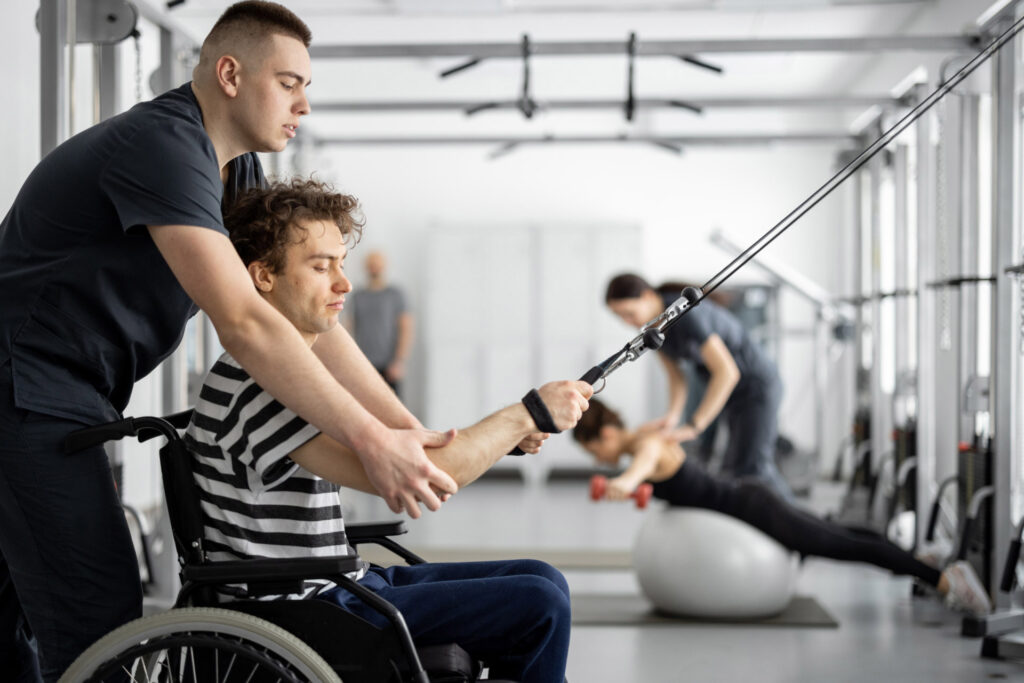
Many athletes think they are ready to return as soon as pain improves. Unfortunately, rest does not equal recovery. Progression through objective functional testing, gradual exposure to sports specific training loads, and formal medical clearance are necessary to ensure a safe return to competition and minimize reinjury risk. Alpha Sports Performance Medicine uses return to play protocols based on measurable return criteria, multidisciplinary collaboration, and individualized progression.
Athletes deserve a framework that prepares them to return to sport and compete confidently. Time missed is irrelevant. What matters is if they are truly ready to go.
Return to Play Continuum
The terms return to play can describe a range of progressions. Some athletes may be nearing return to participation which includes limited or modified practice, controlled minutes, or non contact roles. Others are aiming for return to performance which indicates full game intensity and competitiveness.
Identifying where you are on the return spectrum can help you focus on short term goals while working toward ultimate capacity. Returning to performance should not be based solely on lack of symptoms. It should also be met with sport specific strength and conditioning, load tolerance, and psychological preparation.
Return to Performance Criteria
Returning to your sport should be based on objective performance milestones, not time.
Physiological & Functional Testing
Your healthcare team should employ a multidisciplinary approach when developing a return to play protocol. Physicians are responsible for medical evaluations and final clearance. Physical therapists and athletic trainers help restore mobility, strength, and function while strength coaches guide athletes through performance preparation. Sport psychology can even be incorporated to help address any fears or lack of confidence an athlete may have associated with reinjury.
Regular communication among staff members can ensure every department is on the same page when clearing you to progress. Updates on your injury status and documented objective testing can help create accountability and minimize any confusion.
Meeting established return to play criteria not only allows athletes to return safe but ensures they can perform at their best.
Clinical and Physiological Benchmarks
Before progressing to the next phase of rehab, athletes should meet objective return to play criteria established by their medical team. These can include basic movement metrics such as pain free range of motion, normal swelling, and cardiovascular fitness.
Mobility and strength expectations are often compared to the uninjured side and many rehabilitation programs require athletes to reach 90-95% symmetry before return. Handheld dynamometry, full body lifts, and progressive resistance exercises can be used to confirm tissue healing and readiness for sport specific demands.
Functional movement testing provides another layer of criteria before return. Single leg hop tests, sprint testing, agility drills, and sport specific movement skills can help ensure athletes have power, symmetry, and neuromuscular control. Quality of movement should also be assessed to help decrease reinjury risk.
Additional testing such as force plates, video motion analysis, and wearable technology can be used to identify asymmetries athletes may not be aware of. Correcting trunk, pelvic, or lower extremity misalignments prior to return in high risk sports can help protect against future injury.
The Mental Game
Just because athletes check off all their physical milestones doesn’t mean they will be mentally ready to return. How athletes feel about their injuries can impact their decision making, confidence, and fear of reinjury which can ultimately alter movement mechanics.
Psychological questionnaires like the ACL Return to Sport Index and Tampa Scale of Kinesiophobia are great tools to help clinicians understand how athletes perceive their injuries. These tests can help provide objective measures to an athletes confidence and risk avoiding thoughts.
Progressive sport specific training allows athletes to gain confidence in their body and prepare them for the demands of their sport. Athletes should work up to controlled scrimmages and situations where they are forced to make quick decisions under pressure. This will help mentally prepare them for games and pair their mental readiness with physical abilities.
Opening the lines of communication can help athletes feel comfortable sharing any doubts or concerns they may have about returning to sport.
High Risk Injury Considerations
Some injuries require more cautious progression before return. Concussion protocols should adhere to the graduated return to play protocol which progresses athletes through cognitive rest and light aerobic exercise, sport specific exercises, and then return to play. Each stage should be completed without recurrence of symptoms before progressing.
Return to play from reconstruction surgery or high demand soft tissue injuries should progress through phases that emphasize protected range of motion, progressive strength and conditioning, as well as neuromuscular retraining. Returning to sport should also include >90% limb symmetry on strength testing and hop tests, normalized movement mechanics, and medical clearance from your surgeon.
Progression Criteria for High Risk Injuries
Structured return to play progression allows athletes to safely progress through sport specific training drills before getting back to game speed competition and contact.
Risk vs. Reward
Return to play is a decision that should not be made by the athlete or health care professionals alone. Athletes need to be able to honestly monitor their symptoms and communicate their goals and intentions on playing through pain with their medical team. Tools like the Strategic Assessment of Risk and Risk Tolerance can help athletes and clinicians have these difficult conversations.
Once an athlete decides they want to return despite risks, informed consent should be completed to document they understand the consequences of their decision. This helps ensure athletes and clinicians are on the same page regarding expectations and can help athletes weigh their competitive goals against long term joint health.
Objective Testing Over Date-Based Progression
Return to play should never be based on a calendar date. Objective measures such as strength ratios between limbs, movement quality, load tolerance, and psychological readiness scores should be used to determine when it’s safe for athletes to progress.
For more information on our Sports Medicine services or to ask any questions you have about returning to sport after injury, please don’t hesitate to reach out to us.
Frequently Asked Questions
What is return to play protocol?
Return to play protocol is a graduated plan that helps athletes recover from sports injury and return to competition using objective criteria and medical clearance.
Who decides if I can return to play?
Physicians should approve return to play based on strength testing, functional movement screening, hop testing, sport specific drills, and psychological readiness.
How long do return to play protocols take?
Return to play timelines vary greatly on a case by case basis. They should be based on reaching objective return to play criteria and not specific time points.
Do return to play protocols include psychology?
Yes, sport psychology is an important piece of rehabilitation and return to play. Fear and lack of confidence can cause athletes to move differently and put them at risk of reinjury.
Who gives the final decision on return to play?
The treating physician typically makes the final decision though they should be in agreement with therapists, strength coaches, and if utilized sport psychology.