
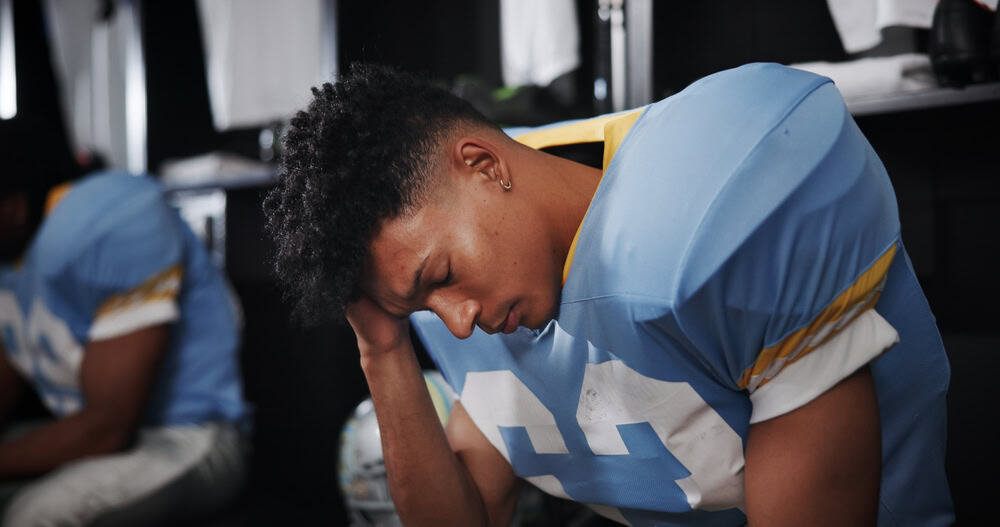
Know the signs, react quickly, and keep athletes performing their best.
Recognize Red Flags
The athlete cannot answer simple questions or follow basic directions.
An athlete does not remember events leading up to the injury or cannot recall plays after they occur.
These symptoms can all be warning signs of concussion. Some, like loss of consciousness, worsening headache, repeated vomiting, and seizures, are medical emergencies. Remove athletes from play who experience these symptoms and seek evaluation right away.
Unequal pupil dilation, slurred speech, visible confusion, or weakness in any extremity can also indicate a serious brain injury. Err on the side of caution and screen anytime you suspect a concussion.
It can be difficult to spot a concussion. Not all athletes will display obvious symptoms, even after a serious brain injury. Err on the side of caution and screen any time you suspect head trauma or abnormal behavior.
Monitor for Cognitive Decline
A Concussion may affect how an athlete thinks, moves, or responds.
Sluggish reaction times or responses to questions. Poor coordination or balance. Difficulty remembering plays or instructions.
Basic sideline tests like asking questions, monitoring balance, or memory can help determine if an athlete was affected by head trauma. When in doubt, keep them out.
Your objective concussion screening should include standardized tools like SCAT5. This type of concussion test includes symptom checklists, physical testing, memory evaluation, and more. Removing as much subjectivity as possible helps protect your better judgement.
Assess vestibular and ocular responses as well. Dysfunction in the eyes and inner ear is common after concussion and can trigger headache, dizziness, or blurred vision with testing.
Look for High Risk Impacts
Any significant impact to the head should be taken seriously.
Hard hits to the head, collisions with other players, or falls that result in head trauma can all trigger concussion. Screen any time there is a question or concern.
Not all concussions are caused by direct impacts to the head. High angular acceleration forces, such as whiplash, can lead to brain injury without any visible signs of trauma.
Repetitive HEAD IMPACTS can also lead to a concussion over time. Gradual buildup of brain trauma can cause headache, anxiety, difficulty concentrating, and sleep disruption.
HIGH-RISK SPORTS that involve frequent impacts to the head will increase concussion risk. Contact athletes should still be evaluated for concussion with any significant impacts or questionable behavior.
Watch for Symptoms
Not all concussion symptoms appear immediately.
An athlete may develop a headache, feeling tired, or display sluggishness hours or even days after the injury. For this reason, it is critical to watch athletes closely for several days after head trauma.
Pay special attention to the first 24 – 48 hours. If any new symptoms develop or worsen, a thorough concussion screening should be performed.
Return to Play Safely
The biggest mistake you can make is returning to play too soon.
An athlete should be completely asymptomatic at rest before beginning a return-to-play progression. Step one should always be light aerobic exercise, followed by sport-specific movements.
Training shouldn’t begin until they have completed high level cognitive and physical activity without symptoms. See our guide on return to play protocols for concussion.
Only a trained medical professional can clear an athlete for return to play. Be patient with recovery – it’s not a race.
Consider Brain Processing
Brain Injuries change how an athlete thinks.
Neurocognitive testing measures an athlete’s memory, cognition, and response times. When compared to preseason or baseline numbers, concussed athletes can see where they stand.
No symptom checklist or physical examination can replace an athlete’s own brainpower. Use neurocognitive testing to help guide return to play decisions.
Screen Concussions ASAP
Postponing concussion evaluation puts short-term recovery and long-term brain health at risk. Perhaps the biggest risk with concussion is returning to play too soon.
Screening right away allows you to monitor symptoms over time, start rehab if necessary, and begin a gradual return to play.
Not only does Alpha Sports Performance Medicine screen for concussions, our concussion treatment is paired with performance and recovery training. We want to ensure athletes are 100% before they return to play.
Take Care of Concussions
A concussion can seriously impact performance both on the field and in daily life. Slow reaction times, processing speed, and pain can all affect athletes into their playing careers.
Don’t let a concussion ruin an athlete’s ability to perform. Athletes who suspect head trauma should get screened right away, monitor symptoms, and take gradual steps to return to play under medical supervision.
Don’t let concussion end an athlete’s season. Together we can keep them performing their best, for longer.
FREQUENTLY ASKED QUESTIONS
When should athletes get a concussion screening?
After any head impact that results in symptoms such as headache, dizziness, confusion, or memory loss.
Will symptoms always show up immediately?
No. Symptoms of a concussion can take hours or days to present themselves.
What does concussion screening involve?
Symptom evaluation, concussion testing (i.e. memory, balance), and sometimes vision or vestibular testing.
How do I know when it’s safe for an athlete to return to play?
An athlete should be symptom free, pass testing, and be medically cleared by a trained health professional before returning to play.
Who should administer concussion screening?
A trained medical professional like a sports medicine doctor, athletic trainer, or physician should conduct concussion screening.