
Injuries have a knack for derailing training and throwing performance goals out the window. Whether your injury is an acute muscle strain, ligament sprain, tendon irritation, or chronic condition flaring up from repetitive movement, you know all too well that setbacks take time and patience to overcome. While slowing down may be inevitable sometimes, you can stack the cards in your favor by utilizing proper sports therapy techniques to recover faster and build resilience.
Sports therapy techniques have evolved considerably over recent years to reduce pain, restore movement, promote healing, and rehabilitate injured tissues. Many injured athletes assume complete rest is the best course of action for recovery. However, allowing the body to heal from injury using manual therapy, recovery modalities, and corrective exercises leads to more effective results with less time lost from training.
How Sports Therapy Helps You Recover
Sports therapy addresses many issues that arise from training, including correcting movement dysfunction, muscle imbalances, mobility deficiencies, accumulated fatigue, soft tissue damage, and more. By treating the cause of your pain or limitations with skilled manual therapy and movement-based exercises, you effectively reset your body to perform at a higher level once recovery is complete.
Sports therapists utilize many treatment techniques to help athletes recover faster from injury or training. Therapists can improve circulation, tissue healing, mobility, and muscle function while breaking down pain-causing tissues adhesions with different hands-on treatment methods. Recovery from injury is most effective when utilizing therapies that match your body’s needs throughout the healing process.
Ice Cold Recovery Techniques
Cold therapy is one of the easiest recovery methods to understand – ice restricts blood flow to the injured area, which can reduce swelling, inflammation, and pain. Cold therapy is commonly used throughout the first 24 to 48 hours following injury or during times when inflammation flares up. Ice can be applied using ice packs, whole-body cryotherapy, ice baths, or localized treatment depending on your preference and injury location.
Ice is an effective recovery method for acute injuries to limit inflammation that causes pain and immobility. Athletes can use cold treatments several times per day for short durations until swelling goes down and movement begins to return.
Heat Therapy Methods
Heat has the opposite effect as ice – applying heat to the body causes tissues to relax and allows blood to flow to injured regions. Heat therapy is a great way to prepare muscles for activity by improving circulation and relaxing tightened tissues. Moist heat packs, hydrotherapy, and infrared heat are common methods athletes use to warm-up before movement.
Heat therapy is commonly used after ice when swelling has reduced and your body is ready to tolerable levels of exercise. Applying heat before events also helps boost performance by preparing the body for movement.
Manual Therapy Techniques
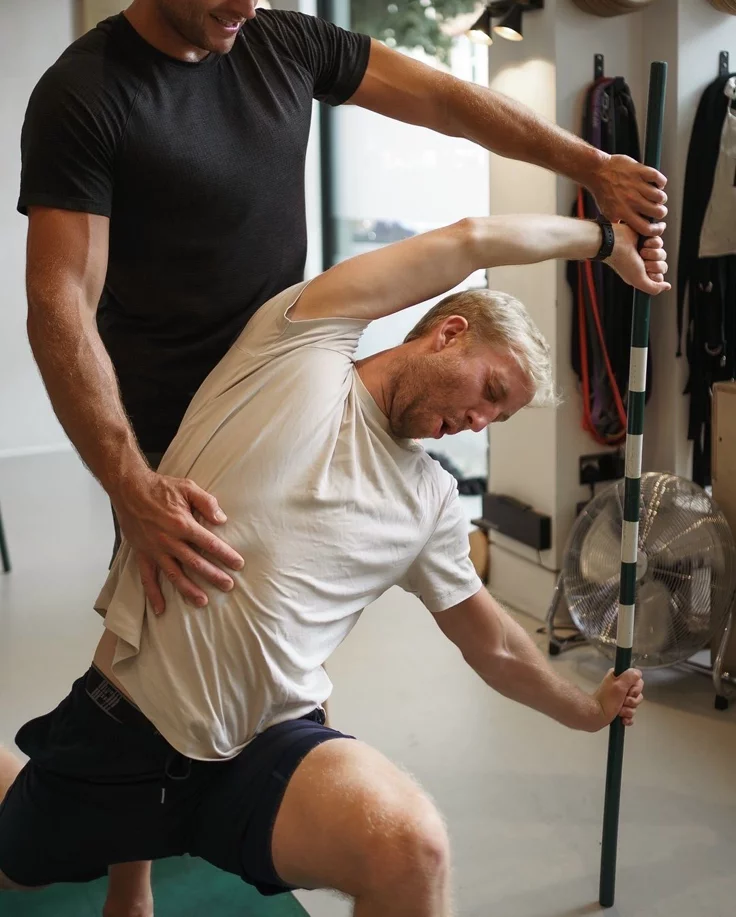
Manipulating muscles and other soft tissues is another effective way to restore mobility and reduce pain. Many different manual therapy techniques exist, including sports massage, myofascial release, active release techniques, lymphatic drainage, and joint mobilization. These hands-on methods work by loosening muscles fibers, stimulating circulation, and releasing joint tension.
Manual therapy is most beneficial when paired with corrective exercises and consistent movement outside of your therapy session.
Electrical Stimulation Therapy
Electrical stimulation uses watts of electricity to stimulate muscles and decrease pain through two primary types of stimulation. Transcutaneous Electrical Nerve Stimulation (TENS) therapy will mask pain signals around the injury area using high-frequency pulses. Neuromuscular Electrical Stimulation (NMES) uses low-frequency electrical currents to contract muscles.
Athletes can benefit from electrical stimulation therapy during the acute phases of injury when movement is limited. EMS can help maintain muscle mass and strengthen weakened areas before reintroducing movement.
Recovery In The Pool
Hydrotherapy or aquatic therapy is an effective way to move comfortably while limiting stress on weakened or injured tissues. Working out in the water provides athletes with resistance while reducing the risk of falling, contacting pounds per square inch (PSI) on joints, and allowing your body to move freely through a range of motion. Warm water therapy also promotes blood flow and can help reduce muscle soreness and stiffness.
Aquatic therapy provides a safe environment to rebuild strength, mobility, and confidence before returning to your sport. Athletes can participate in hydrotherapy at any point during the injury recovery process.
Benefits of Kinesiology Taping
Kinesiology tape differs from traditional athletic tape because it comes in rolls and allows your skin to breathe while applying the correct amount of pressure to injured areas. Kinesiology tapes supports muscles and joints without restricting movement. Athletes use kinesiology tape to lift tissues away from the skin to decrease swelling, support muscles during movement, improve posture, and eliminate muscle fatigue.
Kinesiology tape works well during all stages of injury recovery and can help improve your therapy program when used correctly.
Strengthening Weakened Areas
Week tissues need stress to encourage cell growth and repair. Once you can move without restriction or pain, it is essential to begin rebuilding strength through progressive overload. Progressive loading should start by restoring mobility with dynamic movements, and eventual resistance should be added carefully.
Strength comes last during the initial recovery stages but is one of the most important factors for preventing reinjury. Neglecting to rebuild strength after an extended break will likely cause weakness and lacking stability.
Returning To Movement
Regaining coordination and neuromuscular control is often overlooked during recovery. Once movement has returned to your injured area(s), it is vital to rebuild confidence and train your body to move correctly under stress. Balance training, stabilization exercises, and proprioceptive drills help reactivate the nervous system so you can trust your body again.
Your body may feel weak or unstable at first, but continue to focus on quality movement through full ranges of motion. Rehabilitating motor control helps you return to pre-injury conditioning levels without fear of reinjury.
Stay Consistent
Many athletes believe they are injured and start taking time off from training as soon as they feel a twinge of pain. Although resting injured muscles helps short-term pain, extended periods of inactivity cause more problems than they fix. The key to recovery is consistency with your movement. If injury does occur, try to stay as active as possible while managing your pain.
Using multiple sports therapy techniques will improve your rate of recovery and allow you to return to training with confidence.
Conclusion
The human body is resilient and has an incredible ability to heal itself if given the proper resources. As long as you’re moving with quality and progressing gradually, you will restore mobility and regain strength over time. Recovery time varies based on the extent of your injury, but there are ways to accelerate healing using the sports therapy techniques listed above.
Utilizing multiple sports therapy techniques will improve your chances of recovering quickly and returning to training confidently. Recovering from injury can be challenging, but rest assure that things will get better if you stay consistent with your movement.
Frequently Asked Questions
Q: How soon should I begin sports therapy after injury?
A: Typically, the sooner you can begin rehabilitation, the better. Mild soft tissue injuries can begin with light movement and swelling management as soon as 24-48 hours after the incident. More severe injuries will require you to seek medical attention before beginning any kind of sports therapy.
Q: Can I prevent future injuries with sports therapy?
A: Absolutely. By improving your mobility, strength, balance, and moving properly under load you can minimize stress on weak tissues and decrease your chances of reinjury.
Q: Should I rest until my injury is 100% healed?
A: No. Athletes who remain stagnant for too long experience longer rates of recovery. Controlled movement is much better than no movement at all.